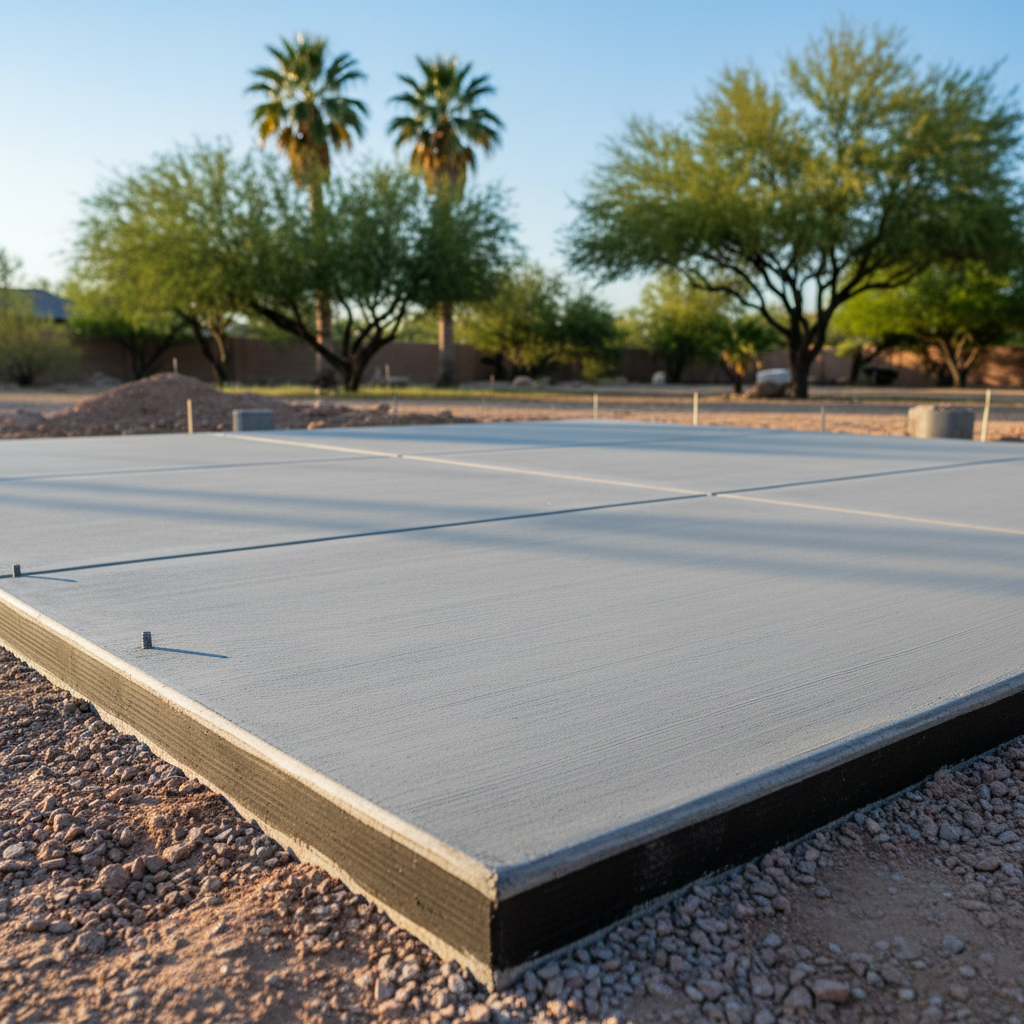
Alright, let's talk about shed foundations. You're putting in a new shed, maybe for tools, a home office, or just some extra storage. That's great! But before you even think about the walls or roof, you've got to get the base right. Here in Scottsdale, we face some specific challenges – that desert soil, the intense heat, and those monsoon downpours – which make a solid foundation absolutely critical.
A good foundation isn't just about keeping your shed level, you know? It protects against moisture, keeps pests out, and stops your shed from shifting, cracking, or even falling apart over time. Believe me, I've seen plenty of sheds with serious issues because someone cut corners on the foundation.
Before You Dig: Planning & Permits
First things first: planning. You can't just wing it. You need to know what you're building on and what the city says you can do.
- Know Your Soil: This is huge in Scottsdale. We've got a real mix of things going on. In some areas, you'll find collapsible soils made from silt and sand, especially near the foothills. Other spots might have dense, compacted clay-based soils, or even caliche layers. Clay soils can swell when wet and shrink when dry, which causes big problems for foundations if not handled right. This movement can lead to structural damage like cracked walls or doors that just won't close. Knowing what you're dealing with helps you pick the right foundation type.
- Check the Rules: Don't skip this step. The City of Scottsdale has specific requirements for accessory structures like sheds. If your shed is under 200 square feet, you typically don't need a building permit. However, you absolutely MUST meet setback requirements and get plan approval from Planning Services. Any electrical or plumbing connections, regardless of shed size, will require a permit. Setbacks are important too; for example, a shed under 10 feet tall needs a minimum 2-foot setback from the property line. But for every foot taller than 10 feet, you add another foot to that setback. And you can't build in easements, period.
- Pick Your Foundation Type: There are a few common options, and each has its pros and cons, especially for our climate:
- Gravel Pad: This is a popular choice for many sheds. It's affordable, offers excellent drainage (which is great for monsoon season!), and is relatively easy to put in yourself. It works well for smaller to medium-sized sheds and helps prevent moisture from wicking up into your shed.
- Concrete Slab: For larger, heavier sheds, or if you plan to use it as a workshop with heavy equipment, a concrete slab is often the gold standard. It's super durable, provides a very stable, level base, and resists pests and moisture. The downside? It's more expensive and generally requires professional installation.
- Skid Foundation: This uses pressure-treated lumber skids directly on the ground or over a gravel base. It's good for smaller to mid-size sheds and has the advantage of being relocatable. Many pre-built sheds come with these, actually.
- Pier and Beam: This lifts the shed up, allowing air to circulate underneath, which is good for moisture control. It can be a smart option for sloped terrain.
During the Project: DIY vs. Pro
So, you've got your plan. Now, who's doing the actual work?
What You Can Realistically DIY:
For smaller sheds and simpler foundations, you can absolutely tackle some of this yourself. A gravel pad is probably the most DIY-friendly option.
- Site Preparation: Clearing the area of debris, weeds, and grass is a must. You'll need to mark out your shed's footprint, making sure it's square.
- Leveling the Ground: For a gravel pad, you'll need to dig down 4-6 inches deep and get it level. A hand tamper or a rented plate compactor will be your best friend here to compact the soil.
- Building a Gravel Pad: Once the ground is prepped, you'll lay down heavy-duty landscape fabric to prevent weeds. Then, you'll frame the perimeter with pressure-treated lumber to hold the gravel in place. Fill it with 3/4-inch crushed clean stone (like #57 stone) in layers, compacting each layer as you go. Make sure it's level!
When to Call a Pro:
Honestly, for anything beyond a small gravel pad, or if you're just not comfortable with heavy labor and precision, calling in a professional is a smart move. Especially here in Scottsdale, where our unique soil and climate demand a lot from a foundation.
- Concrete Slabs: Pouring a concrete slab is a big job. It involves precise excavation, setting up forms, adding rebar or wire mesh for reinforcement, and getting the mix and pour just right. If it's not done correctly, you'll end up with cracks, uneven settling, and drainage issues. This is where Custom Sheds of Scottsdale or other experienced concrete contractors really shine. We know how to reinforce for our expansive soils and manage the curing in our dry heat.
- Sloped Lots or Tricky Soil: If your yard has a significant slope, or if you suspect you have expansive clay or caliche, a professional can assess the site and recommend the best, most stable solution. They might suggest a pier and beam system or a specially engineered concrete slab.
- Larger Sheds or Workshops: Any shed over 200 square feet, or one that will house heavy machinery or be used as a dedicated workspace, needs a robust foundation that can handle the load. Pros have the equipment and expertise to ensure it's built to last.
- Permit Navigation: While you might not need a building permit for smaller sheds, figuring out the Planning Services approval and setback requirements can be a real headache. A good contractor knows the local codes inside and out.
After the Foundation: What's Next?
Once your foundation is in, don't just forget about it. A little care goes a long way.
- Drainage is Key: Make sure water drains away from your shed foundation, especially during monsoon season. Poor drainage can lead to rot, mold, and foundation issues. Grading the area around the shed to slope away is a good idea.
- Regular Inspection: Every so often, take a walk around your shed. Look for any signs of settling, cracking, or moisture pooling. Catching small issues early can prevent bigger problems down the road.
- Landscaping: Be mindful of what you plant too close to the shed. Roots can sometimes cause issues with foundations over time.
Building a shed is an investment in your property. Taking the time to get the foundation right, whether you DIY a simple one or bring in Custom Sheds of Scottsdale for a more complex project, means your shed will stand strong for years to come, even in our tough Arizona climate.